Skip to the page
Shore House PipesSouth Jersey shore, season by season
Procedures
AS-1After the storm

Before you go back in

Before going back into a flooded shore house, wait until officials say it is safe, have Atlantic City Electric cut power before anyone goes in, stay out of standing water, and if you smell gas leave at once and call 911 and South Jersey Gas from outside.

Time: Before anything elseWho: YouWhen: After any storm that flooded the street or the house

By the Shore House Pipes editors · sources checked October 31, 2026 · how this manual is written
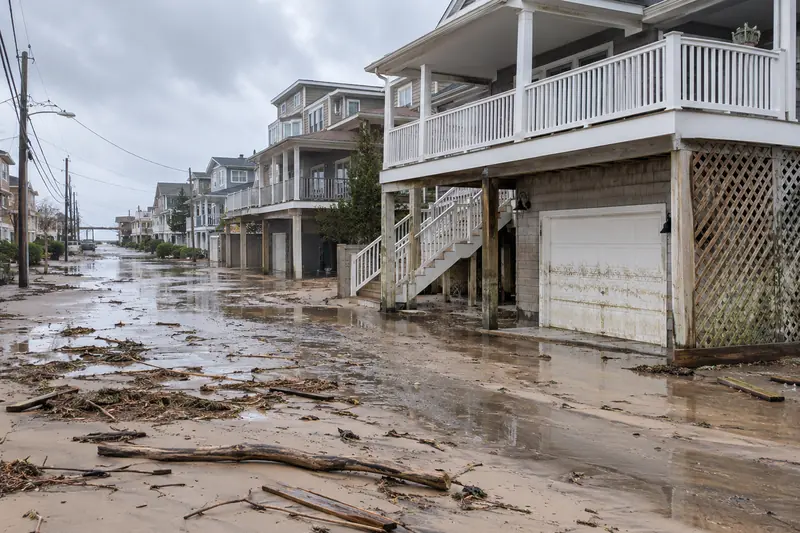
Street of raised beach houses after a flood, wet sand and debris on the road
Street of raised beach houses after a flood, wet sand and debris on the road. AI-generated picture.

Bring

  • Waterproof boots and gloves
  • A battery flashlight (not candles or lighters)
  • A phone to photograph damage, used outside if there is any gas smell

The procedure

  1. Wait for the all-clear. Ready.gov: return home only when authorities say it is safe.
  2. Look from outside first. Downed wires: stay at least 30 feet away and keep others back, as South Jersey Gas advises.
  3. Smell before you step in. If you smell gas, don't go in. If you notice it inside, leave immediately; don't touch switches, the panel or phones inside; call 911 and then South Jersey Gas from outside.
  4. Treat water and electricity as live. Don't touch electrical equipment if it is wet or if you are standing in water. Stay away from the breaker box; ask Atlantic City Electric to cut power before anyone goes in.
  5. Don't turn gas back on. If gas service was turned off at the meter, South Jersey Gas says not to turn it back on yourself.
  6. Photograph, then clean. Photograph damage and water lines for the insurer before moving things.
  7. Plumbing next. Gas appliances and water heaters that sat in water: AS-2. Sewage in the house: AS-3.

Why is a flooded ground floor so dangerous?

Floodwater can carry sewage and debris, standing water can be electrically charged from wet outlets and appliances, and flooded gas appliances can leak. Ground-level garages and storage under elevated houses are where water heaters and panels often sit.

Who cuts the power?

Atlantic City Electric. After any flooding, stay out until the utility has cut power, and don't wade to a panel or touch it. Power goes back on only after the utility and a licensed electrician have checked the house.

The numbers behind it

FigureWhat it meansSource
30 feetminimum distance from downed wiresSouth Jersey Gas

Watch: FEMA CDC Accessible: Returning Home Safely After a Disaster

From the FEMA YouTube channel. Note: The video says to switch off the main breaker before a flood. After a flood, this page's rule applies: stay out until Atlantic City Electric has cut power. It doesn't cover gas smells; leave first and call from outside. The still picture is stored on this site; nothing loads from YouTube until you press play. The video's advice is the channel's own; where it differs, this page's safety steps come first.

Questions owners ask

Can I turn the power back on myself after a flood?
No. After flooding, power goes back on only after Atlantic City Electric and a licensed electrician have checked the house.
Is floodwater in the garage dangerous to walk through?
Yes. It may be charged by wet appliances and may carry sewage.
Should I run the water heater after a flood?
Not if it sat in water. See AS-2.

Sources for this procedure

Each source was opened and the cited figure or sentence checked on October 31, 2026. Steps marked PRO are described, not taught: they belong to a licensed plumber or the utility.